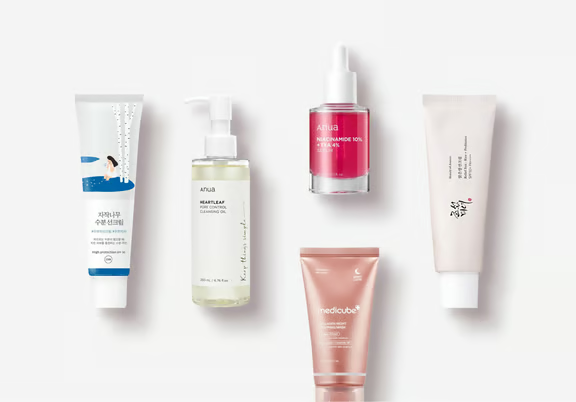


Having acne prone skin can be challenging, especially when it comes to maintaining a consistent routine. Using the right products at the right time can make a significant difference in preventing breakouts and achieving healthy, glowing skin. In this article, we will explore a beginner-friendly routine, including a morning routine for acne prone skin and a night skincare routine for acne prone skin.
Morning Skincare Routine for Acne Prone Skin
Starting your day with a proper skincare routine sets the tone for the rest of the day. A morning skincare routine for acne prone skin should focus on cleansing, protecting, and preventing new breakouts.
1. Gentle Cleanser
The first step in your morning skincare routine is cleansing your face with a gentle, non-comedogenic cleanser. Avoid harsh soaps or scrubs, as they can irritate the skin and worsen acne. Look for ingredients like salicylic acid or benzoyl peroxide, which help unclog pores and reduce excess oil without stripping your skin of essential moisture.
2. Toner
After cleansing, use a mild toner to remove any leftover impurities and balance the skin’s pH levels. A toner containing witch hazel or niacinamide is ideal for acne prone skin, as it can reduce inflammation, control oil production, and calm redness.
3. Serum or Treatment
For those dealing with persistent acne, incorporating a serum or treatment in your morning skincare routine is essential. Look for serums containing ingredients like vitamin C for brightening, niacinamide for controlling oil, or salicylic acid for preventing new breakouts. Apply the serum gently over your face, focusing on areas prone to acne.
4. Moisturizer
Even acne prone skin needs hydration. Choose a lightweight, oil-free moisturizer that won’t clog your pores. Gel-based or water-based moisturizers are excellent options for keeping your skin hydrated while preventing excess oil buildup.
5. Sunscreen
Sunscreen is a non-negotiable step in any skincare routine. UV rays can worsen acne scars and cause hyperpigmentation. Use a broad-spectrum sunscreen with at least SPF 30 every morning, even on cloudy days. Opt for a non-comedogenic formula to ensure it won’t trigger breakouts.
Following this morning skincare routine consistently can help control oil, prevent new breakouts, and protect your skin from external damage.
Night Skincare Routine for Acne Prone Skin
While the morning skincare routine focuses on protection, the night skincare routine for acne prone skin is all about repair and treatment. Nighttime is when your skin naturally regenerates, making it the ideal time to address acne and promote healing.
1. Double Cleansing
Start your night skincare routine with double cleansing. First, use an oil-based cleanser to remove makeup, sunscreen, and impurities. Then follow up with a gentle foaming cleanser to clean your pores thoroughly. Double cleansing ensures that your skin is free from dirt and excess oil, which are common triggers for acne.
2. Exfoliation (2-3 times a week)
Exfoliation helps remove dead skin cells and prevent clogged pores, which are a major cause of acne. Use a chemical exfoliant containing ingredients like salicylic acid or glycolic acid instead of physical scrubs, which can irritate acne prone skin. Avoid over-exfoliating, as it can lead to dryness and increased breakouts.
3. Toner
After cleansing, apply a soothing toner to prepare your skin for treatment. A toner with anti-inflammatory and hydrating ingredients helps reduce redness and irritation caused by acne.
4. Acne Treatment
Nighttime is the perfect opportunity to use targeted acne treatments. Spot treatments with benzoyl peroxide, retinoids, or tea tree oil can help reduce active breakouts and prevent new ones from forming. Apply treatments only on affected areas to avoid over-drying healthy skin.
5. Serum
Serums with ingredients like niacinamide, hyaluronic acid, or peptides can help repair the skin barrier and reduce post-acne marks. Including a serum in your night skincare routine supports overall skin health and promotes faster healing.
6. Moisturizer
End your night skincare routine with a non-comedogenic moisturizer to keep your skin hydrated throughout the night. A moisturizer strengthens the skin barrier, which is especially important for acne prone skin that may be irritated by treatments.
Additional Tips for Maintaining Acne Prone Skin
- Stay Consistent: Consistency is key. Stick to your skincare routine every day to see visible results.
- Avoid Touching Your Face: Constantly touching your face transfers bacteria and oil, worsening acne.
- Keep Products Simple: Overloading your skin with too many products can irritate it. Stick to a few effective products in your skincare routine.
- Healthy Lifestyle: Eating a balanced diet, drinking plenty of water, and getting enough sleep can support healthy skin from the inside out.
Conclusion
A proper skincare routine is essential for managing acne prone skin. By following a beginner-friendly morning skincare routine and night skincare routine, you can prevent breakouts, reduce inflammation, and achieve healthier skin over time. Remember, patience and consistency are key—results won’t appear overnight, but with dedication, your acne prone skin can become clearer and more resilient.
Focusing on gentle cleansing, targeted treatments, and adequate hydration in your skincare routine will help you maintain a clear, glowing complexion while avoiding further irritation or breakouts.