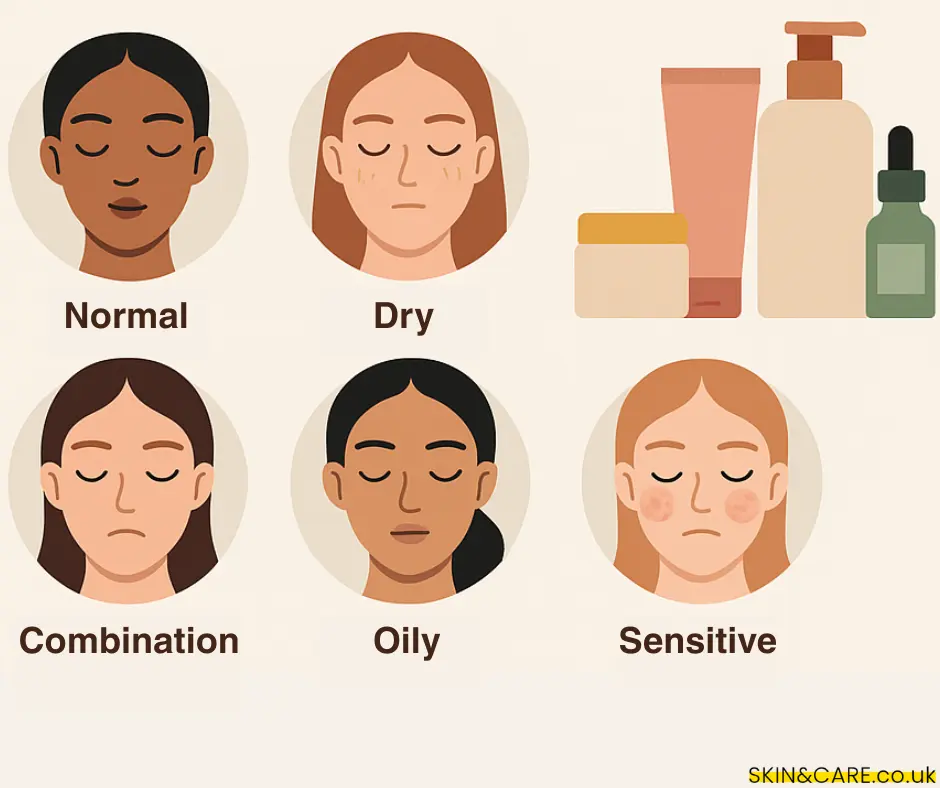
Understanding your skin type is the very first step in building an effective skincare routine. Without knowing whether your skin is oily, dry, combination, sensitive, or normal, even the best products may not work the way you expect. The good news is that you do not need expensive tests or a dermatologist visit to figure it out. You can easily identify your skin type at home using simple methods that take only a few minutes.
In this detailed guide, you will learn why knowing your skin type matters, the easiest at-home tests, common signs of each skin type, and what to do once you discover yours.
Why Knowing Your Skin Type Matters
Every person’s skin behaves differently. Some people produce more oil, some lack hydration, and some react easily to products. When you know your skin type, you can:
- Choose skincare products that actually suit your skin
- Avoid irritation, breakouts, and dryness
- Build a routine that improves your skin instead of harming it
- Save money by not buying the wrong products
- Understand what ingredients to look for or avoid
Before spending anything on skincare, finding out your exact skin type is the smartest starting point.
How to Know Your Skin Type at Home: The 1-Hour Method
This is the simplest and most reliable test that dermatologists often recommend. It helps your skin return to its natural state so you can clearly observe how it behaves.
Step 1: Wash Your Face
Use a gentle face wash to remove dirt and oil. Pat your face dry with a towel.
Do not apply moisturizer, toner, or serum after washing.
Step 2: Wait for 1 Hour
Let your skin rest. During this time:
- Stay indoors
- Don’t touch your face
- Avoid sweating
- Don’t stay near heat
This helps your skin return to its natural baseline.
Step 3: Observe Your Skin
After one hour, look in the mirror or gently touch different parts of your face: forehead, nose, cheeks, and chin.
Skin Type Results Based on What You See
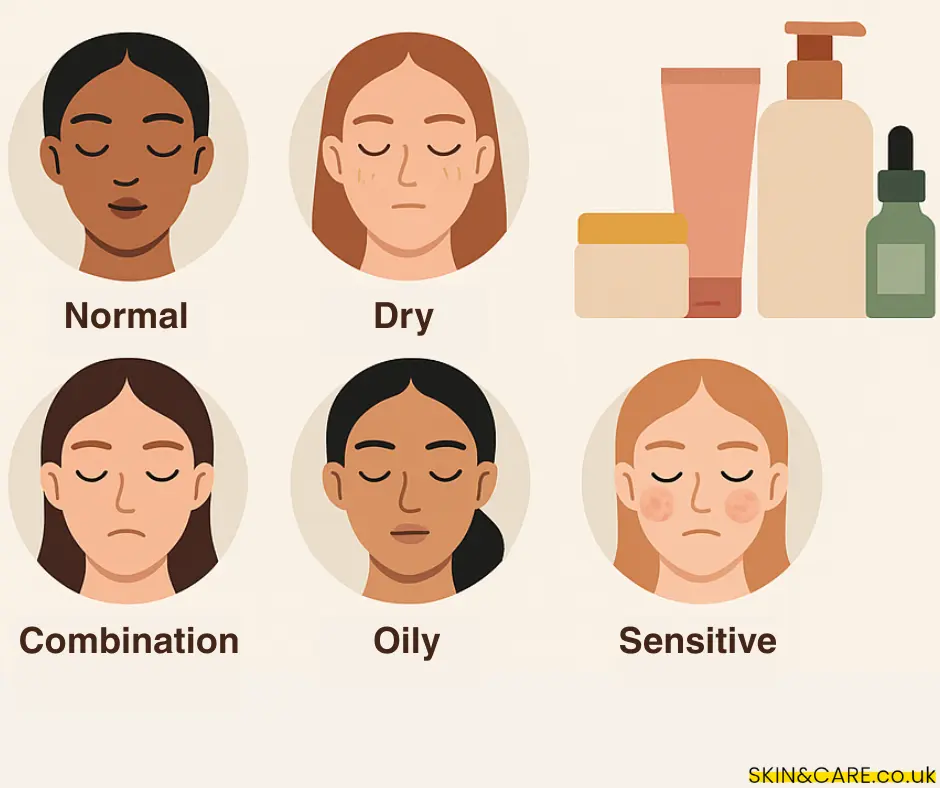
Below are the most common signs of each skin type. Compare your skin’s behavior with these descriptions:
1. Oily Skin Type
If your skin looks shiny, especially on the forehead, nose, and chin, it may be an oily skin type. People with oily skin have overactive oil glands that produce excess sebum.
Signs of it
- Shiny or greasy look
- Enlarged, visible pores
- Makeup melts off quickly
- Frequent blackheads or breakouts
- Smooth but oily texture
Why It Happens
Genetics, hormones, hot weather, and stress can increase oil production.
2. Dry Skin Type
Dry skin produces less oil than needed, causing it to feel tight, rough, or flaky.
Signs of it
- Tight feeling after washing
- Flaky or rough patches
- Dull appearance
- Small, hardly visible pores
- Skin feels dehydrated even after applying moisturizer
Why It Happens
Cold weather, hot showers, and lack of hydration can make dryness worse.
3. Combination Skin Type
This is one of the most common skin types. You may have an oily T-zone (forehead, nose, chin) and dry or normal cheeks.
Signs of it
- Oily T-zone but dry cheeks
- Pores visible only on forehead and nose
- Breakouts on forehead but dryness on cheeks
- Makeup lasts in some areas but fades in others
4. Normal Skin Type
Normal skin is balanced not too oily, not too dry. This skin type rarely reacts to products and has a smooth texture.
Signs of it
- Balanced hydration
- Soft and smooth texture
- Small pores
- Rare breakouts
- Natural brightness
5. Sensitive Skin Type
Sensitive skin reacts easily to products, fragrance, and even weather changes.
Signs of it
- Redness after washing or applying products
- Skin feels itchy or irritated
- Burning or stinging feeling when using new products
- Easily inflamed
- Visible patches of redness
Alternative Ways to Test Your Skin Type at Home
Here are two simple extra methods:
1. The Blotting Paper Test
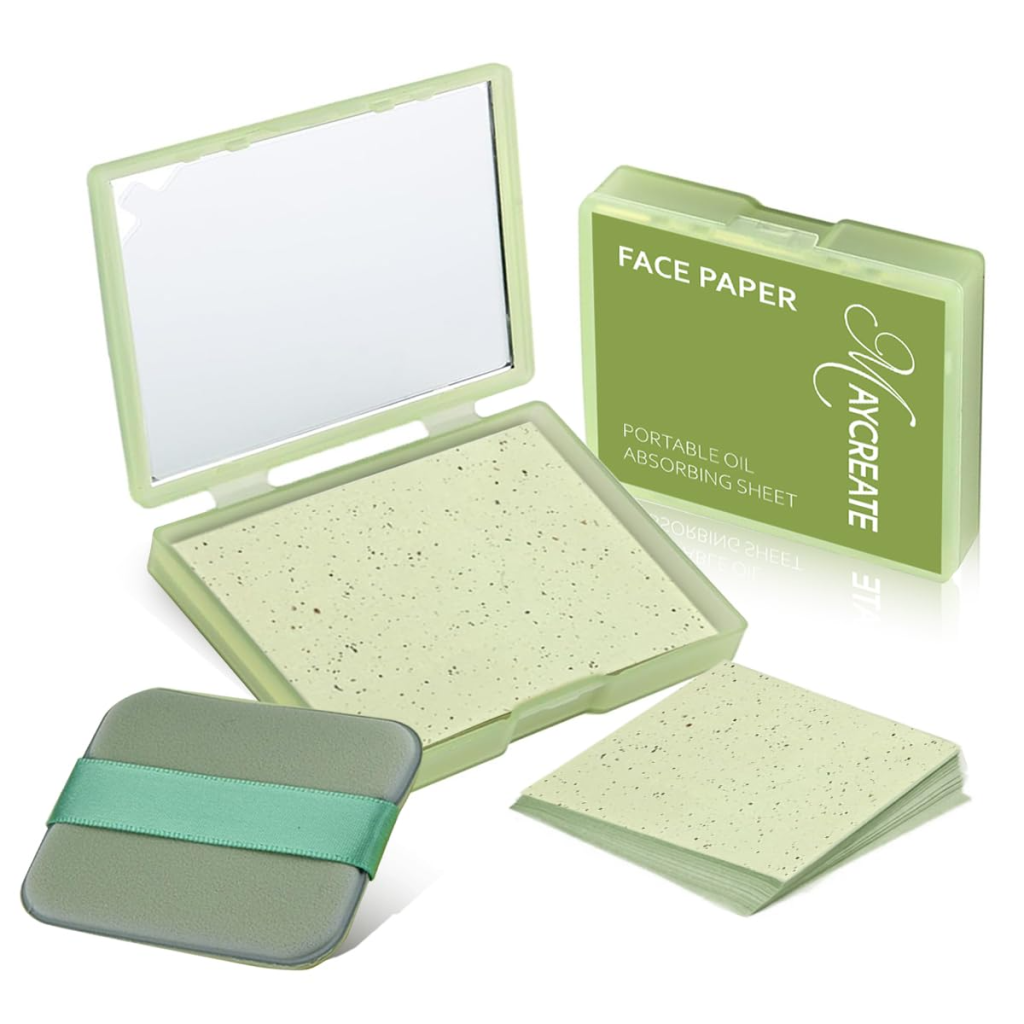
This method takes only a few seconds.
- Take a clean blotting paper.
- Press it gently on different parts of your face.
- Hold it up to the light.
Results
- Lots of oil everywhere – Oily
- Oil only on T-zone – Combination
- Little to no oil -Dry or normal
2. The Bare-Face Feeling Test
After washing your face and waiting 30 minutes:
- If it feels tight -Dry skin
- If it feels greasy – Oily skin
- If only the T-zone is oily -Combination skin
- If it feels fine -Normal skin
- If it feels irritated – Sensitive skin
What To Do After You Know Your Skin Type
Once you know your skin type, here’s how to move forward:
Oily
- Use gel-based moisturizers
- Choose salicylic acid or niacinamide
- Avoid heavy oils
Dry
- Use creamy cleansers
- Look for ceramides and hyaluronic acid
- Avoid harsh exfoliators
Combination
- Use gel products in T-zone and richer creams on cheeks
Normal
- Follow a simple routine with mild products
Sensitive
- Use fragrance-free products
- Patch test everything before use
- Avoid strong active ingredients
Final Thought
Knowing your skin is the key to building a skincare routine that actually works for you. With simple at-home tests, you can identify your skin’s natural behavior and choose products that keep it healthy, glowing, and balanced. Once you understand your skin , skincare becomes easier, more effective, and far more enjoyable.